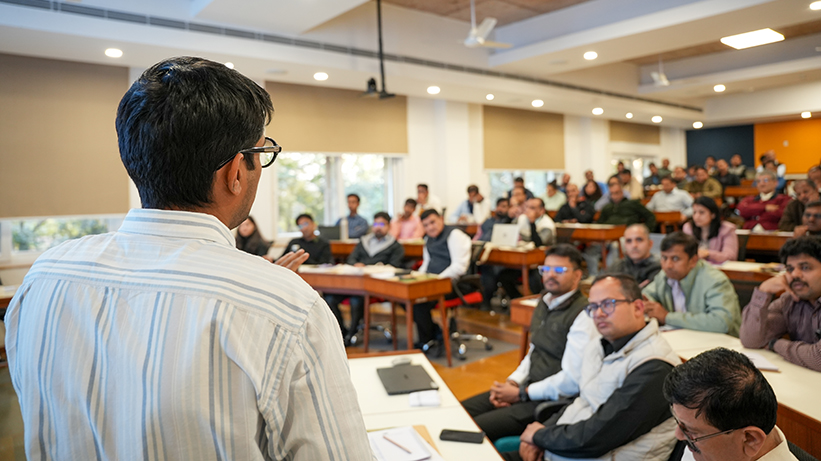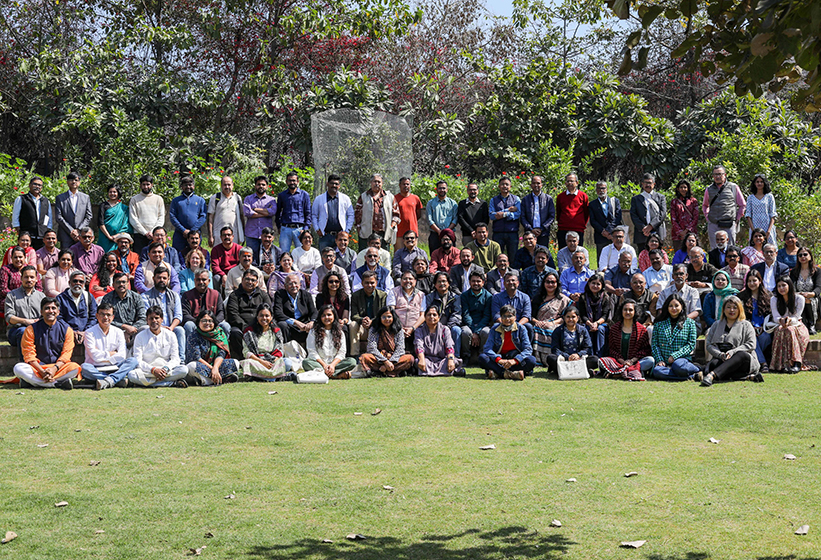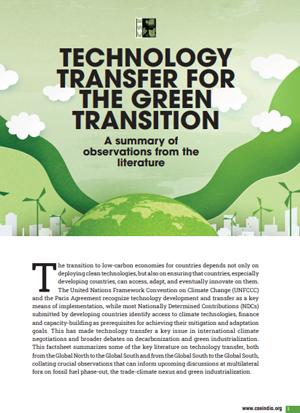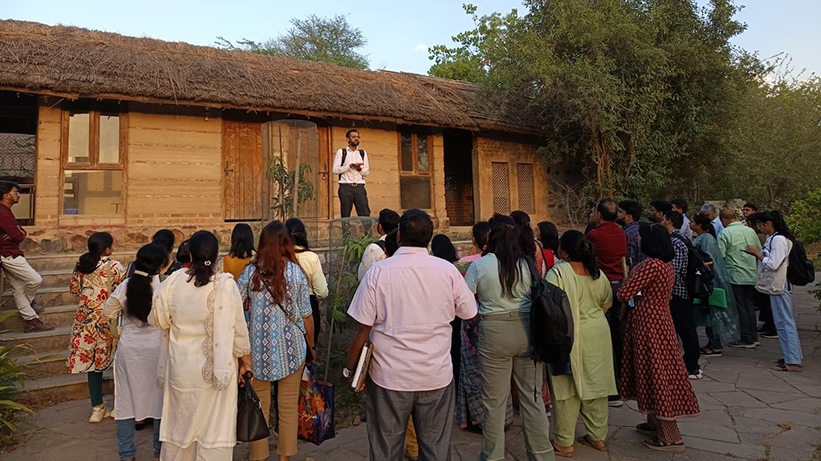
Anil Agarwal Environment Training Institute (AAETI).
AAETI is an education and training initiative and innovation centre of CSE, which aims to communicate the science, complexity and politics of environment across India, South Asia and the world. Designed to look for and find appropriate and affordable solutions to some of the most pressing environmental and developmental problems faced by the Global South, AAETI serves as a research, academic and capacity-building hub that conducts a number of short- and long-term courses and training programmes.

Rainfall in India is increasingly shaped by low-pressure systems that persist for longer and bring intense...

भारत में गरीबी का साम्राज्य जस का तस है। जो इलाके सैकड़ों साल पहले गरीब थे, वहां आज भी गरीबी उसी रूप में है ...
Get the best of CSE's research, updates and reportage in your inbox.
Click to Subscribe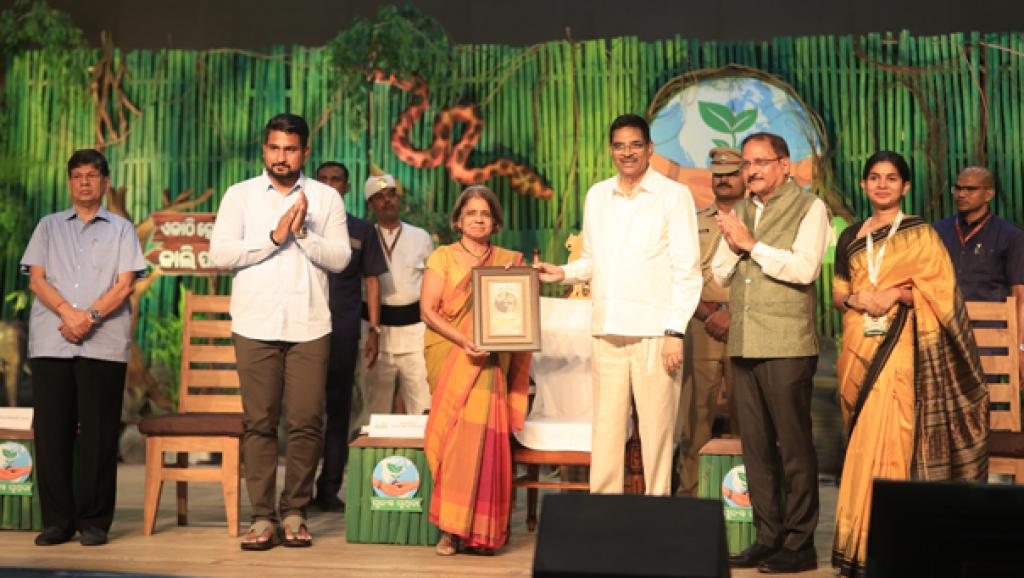
Sunita Narain was invited by the Sambad media group of Odisha as the Chief Guest at its Earth Again (Punascha Pruthibi) Conference in Bhubaneswar; this is the group'S flagship climate action initiative.
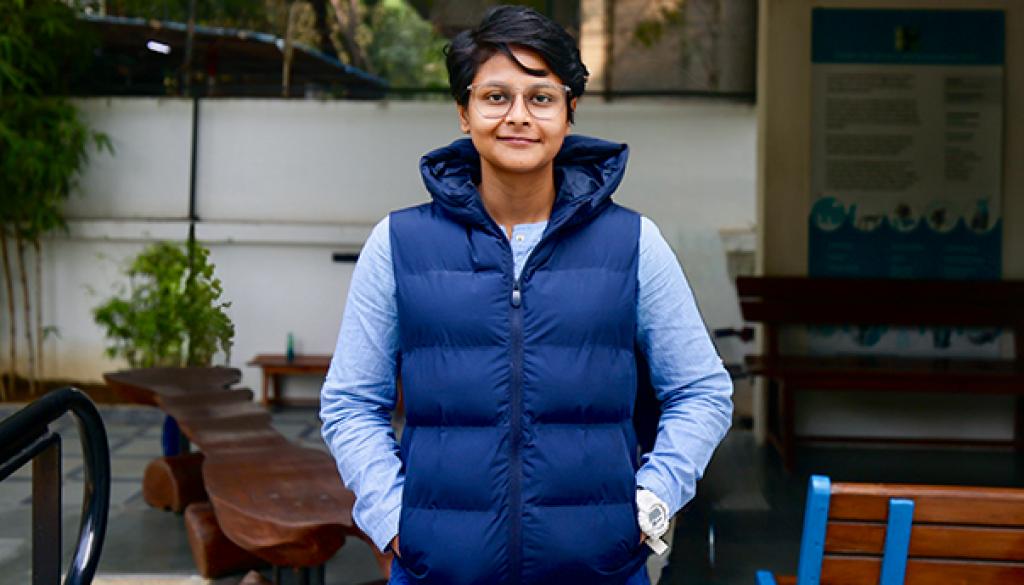
Puja Das of Down To Earth has been selected as one of 15 journalists for the Global Energy Futures Media Fellowship, organised by the German Federal Foreign Office and the Deutsche Gesellschaft fur Internationale Zusammenarbeit (GIZ), The fellowship will take place in Berlin, Germany, from November 23 to 27, 2026.
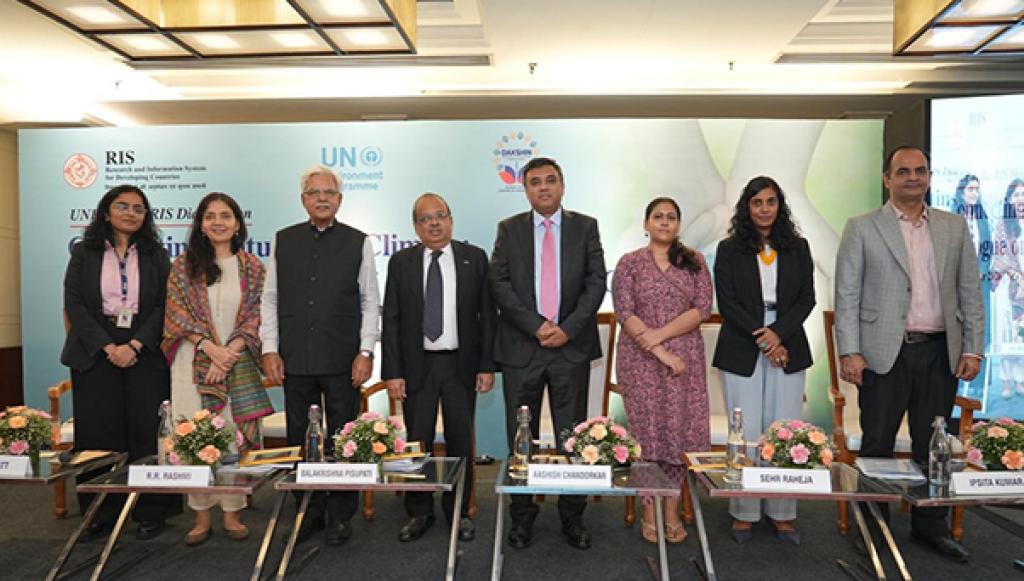
Sehr Raheja, Deputy Programme Manager, Climate Change and Green Economy spoke at the UNEP India-RIS Dialogue on Connecting Nature and Climate: Dialogue on CBD COP17 and UNFCCC COP31.
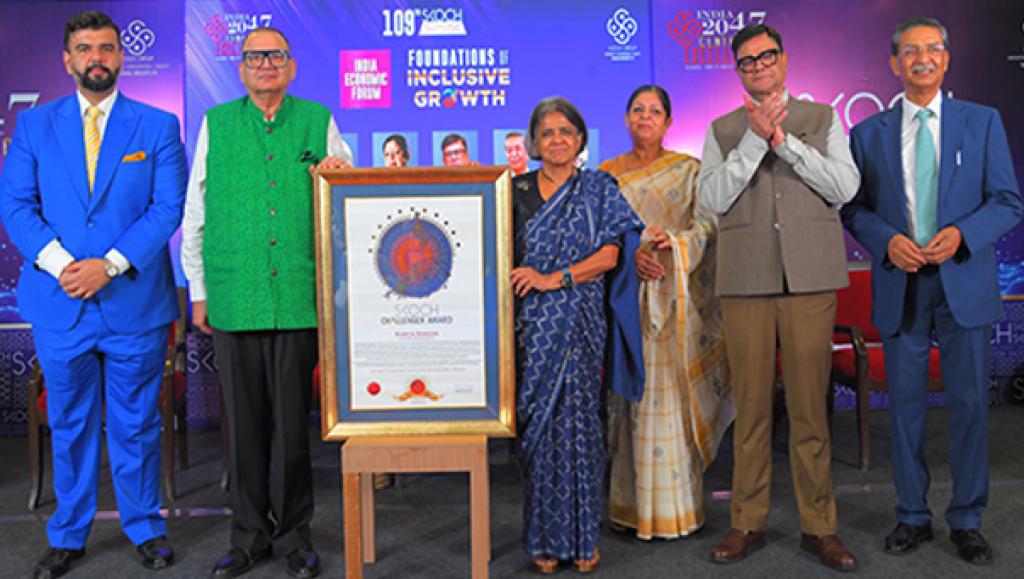
CSE director general Sunita Narain has been selected to receive the 2026 SKOCH Challenger Award in recognition of her contribution to environment protection, public policy and sustainable development.

On the sidelines of the New York Climate Week 2026 from September 20-27, the Planetary Guardians will release the 2026 Planetary Health Check.
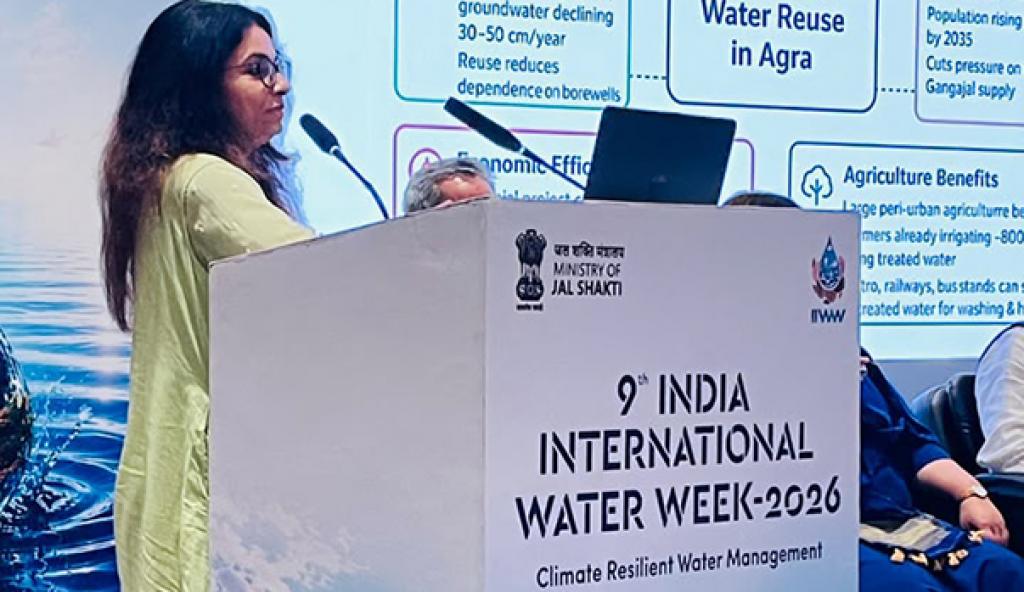
At the 9th India International Water Week (IIWW 2026) at Bharat Mandapam, New Delhi, Dr. Sumita Singhal from CSE's Water Programme joined sector leaders for Task Force 4 on "Treated Wastewater Reuse Across Sectors."

Shagun Kapil of Down To Earth has been named runner-up in both the Technology and Print categories at the 2026 International Federation of Agricultural Journalists (IFAJ) Star Prize Awards for her story, Promising Start, on the sex-sorted semen experiment in dairy.
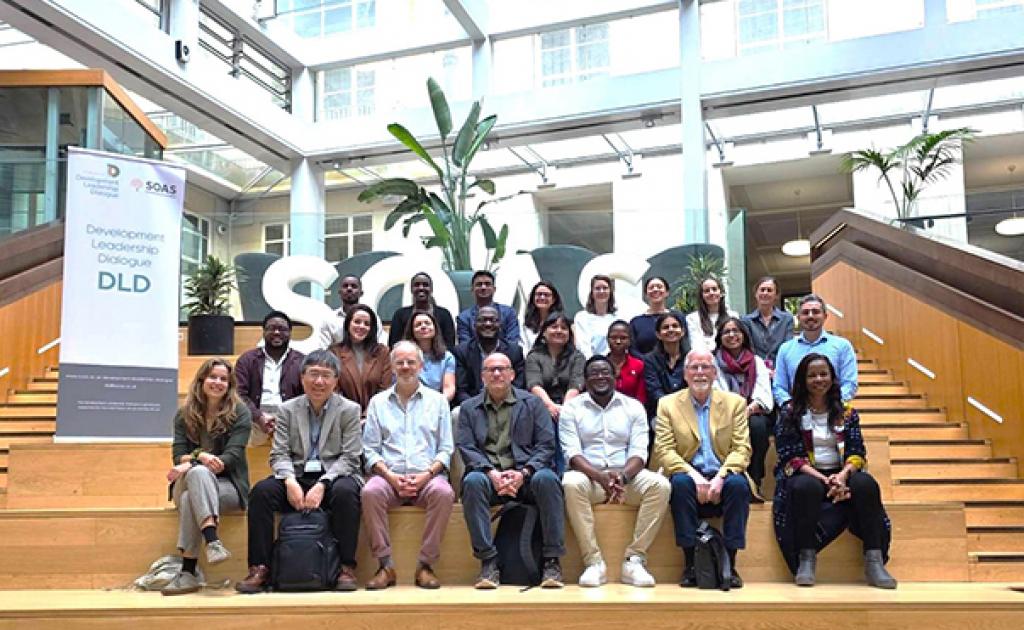
Rajeshwari from CSE's Sustainable Food Systems team attended the Future Leaders Programme on 'Strategies for the Global Food System at National, Regional, Local, and International Levels'
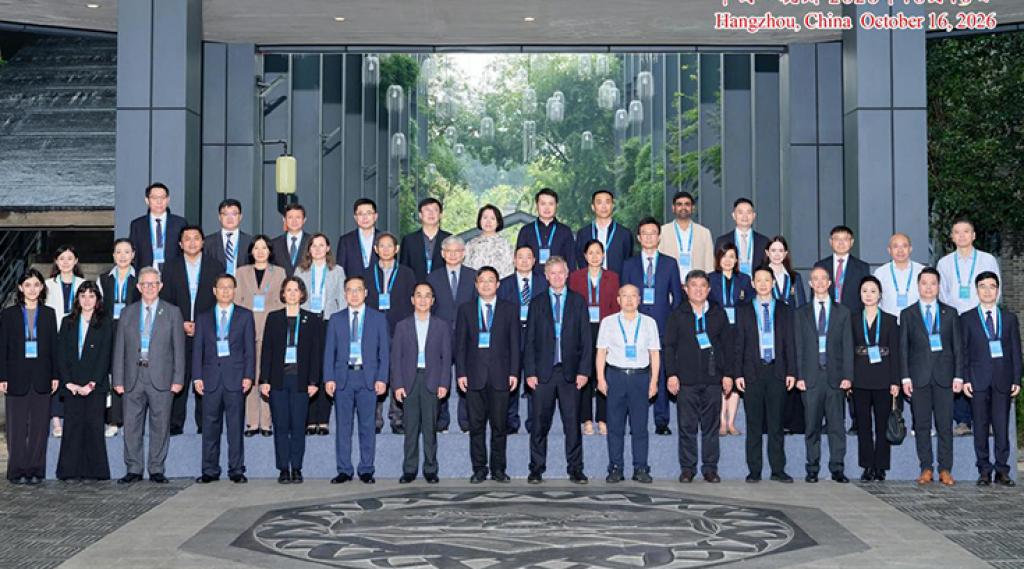
Centre for Science and Environment (CSE) has been recognised among the world's top 100 environmental think tanks in the Global Environmental Think Tank Development Report, released by the Institute for Green Innovation and Development in Hangzhou, China.
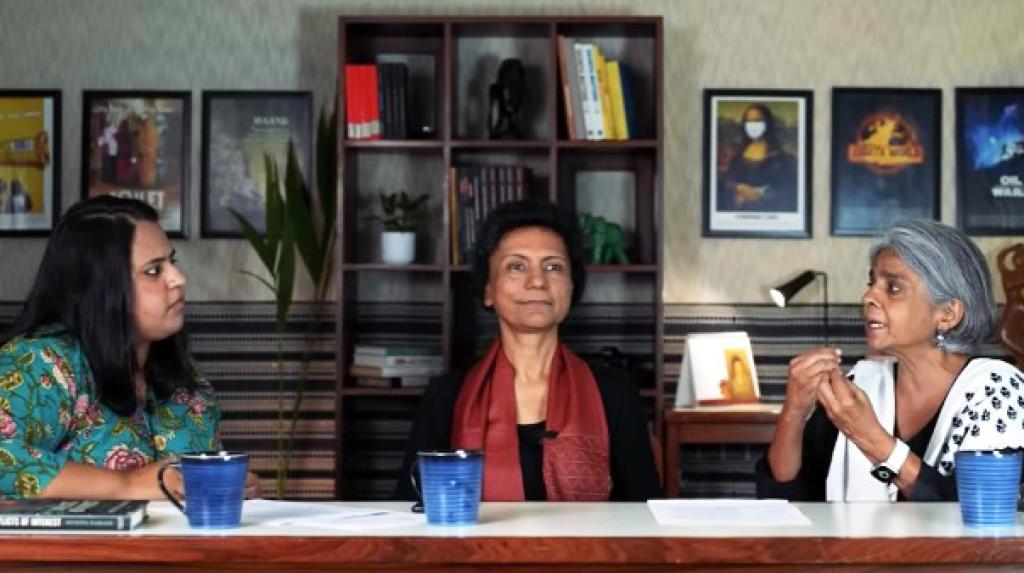
The Carbon Politics podcast has been included as a compulsory reference in the syllabus, of the Climate Policy and Governance course at IIHS University, Bengaluru.
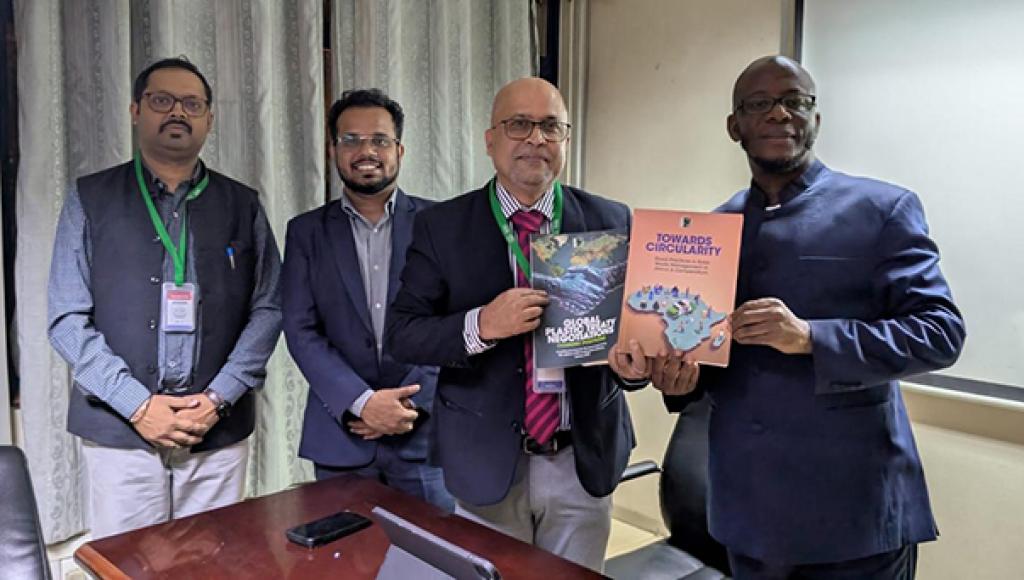
On September 24, 2026, Atin Biswas, Shobhit Srivastava and Kaifee Jawed from CSE's Solid Waste Management and Circular Economy and Sustainable Industrialisation programmes met with Barirega Akankwasa
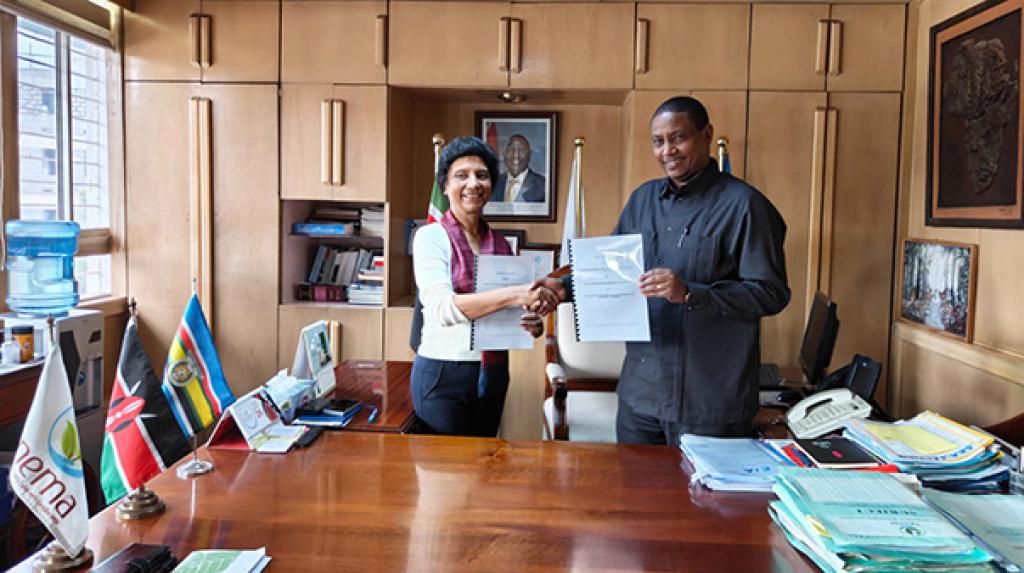
CSE's Clean Air and Sustainable Mobility team has signed a Framework of Cooperation with Kenya's National Environment Management Authority (NEMA). The aim is to provide technical assistance to strengthen monitoring and controlling real-world on-road emissions; designvehicle scrappage frameworks and end-of-life management policies; and prepare an EV battery recycling framework for circular transition to zero-emission mobility.

A PMU has been established at UPNEDA with two CSE consultants. To support implementation of the Renewable Purchase Obligation (RPO) scheme in the state, CSE is engaging obligated entities, improving data quality, and assessing compliance challenges.
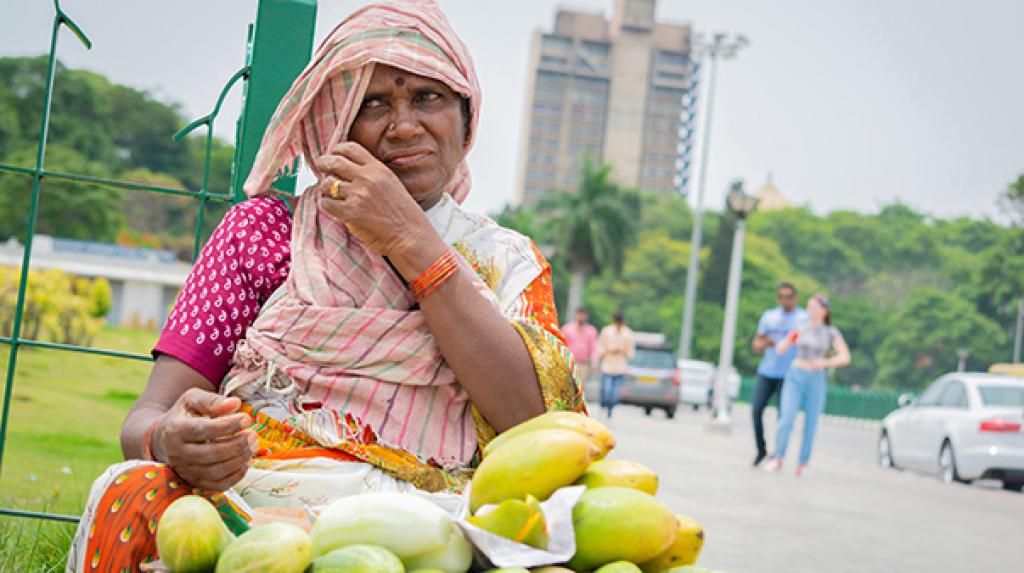
CSE's Urban Cooling Framework has been adopted as the standard methodology for the Ministry of Housing and Urban Affairs' (MoHUA) Heat-Resilient Cities project. Cities under the project are now developing their cooling strategies using CSE's approach. CSE is also been assisting the local governments in Kolkata, Jaipur, Gwalior and Bhopal in this sphere.